
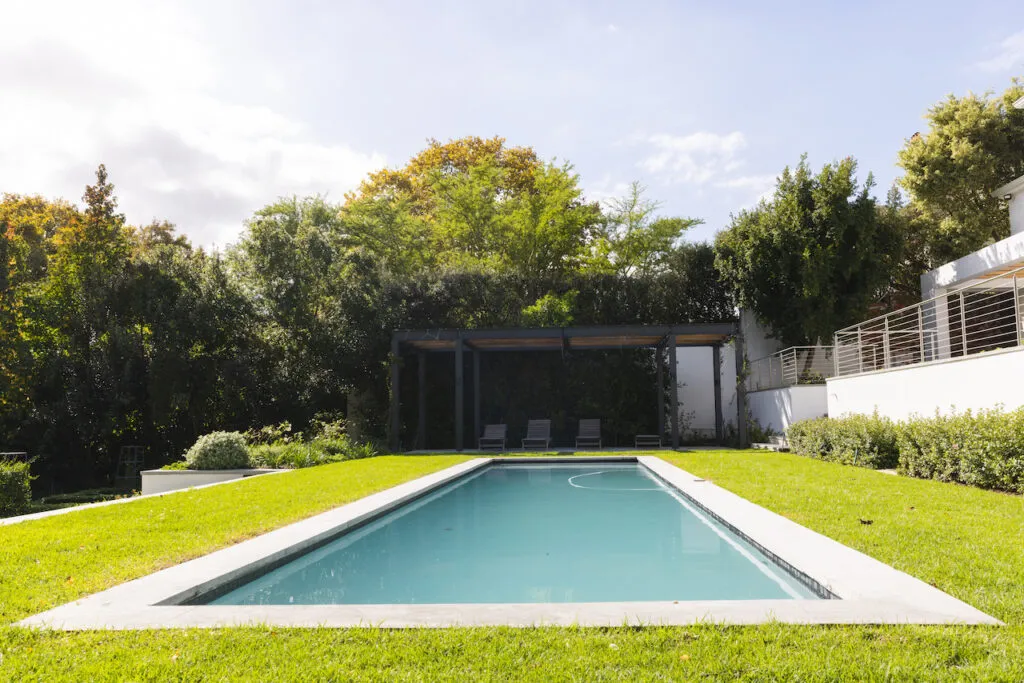
As warm, sunny days start to take hold for the season, many homeowners find themselves dreaming of a private backyard pool—a personal oasis where you can enjoy time with friends and family, or simply relax after a long, hot day.
However, before diving into your pool project, it’s essential to assess whether your backyard is ready for such a transformation. This blog post will provide valuable insights into what you need to consider, whether you are building alongside a new home or adding a pool to an existing property.
Introduction to Backyard Pools
A backyard swimming pool can be a fantastic addition to any outdoor space, transforming your yard into a sparkling pool retreat for relaxation, fun, and fitness. Many homeowners dream of creating a backyard oasis, but may wonder if their space is suitable for a pool. The good news is that with thoughtful planning and creative design, almost any backyard can accommodate a pool—whether you want a place for swimming laps, hosting lively gatherings, or simply unwinding in the sun. Even smaller yards can be transformed to include a pool, allowing you to enjoy all the benefits of pool ownership, from boosting your home’s value to making lasting memories with family and friends. No matter your vision, a swimming pool can help you make the most of your outdoor space and turn your dream into reality.
New Home Build vs. Existing Home
If you’re working on construction for a brand new home, building a backyard pool can often be more straightforward for several reasons. With no existing landscaping to contend with, pool installation can proceed without the delays associated with clearing and reconfiguring an established yard, saving time and potentially reducing costs.
However, if you’re adding a pool to an existing home, there may be some extra hurdles to overcome, such as removing current landscaping, dealing with limited access for construction equipment, and potentially navigating around existing utilities and structures. It’s important to use a measuring tape to accurately assess your yard’s dimensions, as measuring your yard accurately is crucial to determine the size and shape of the pool that can fit. These factors can complicate the project and may require additional planning and expense. A professional site evaluation can help identify the best pool options based on your yard’s specific conditions.
Is Your Backyard Compatible With a Pool Build?
Before starting backyard pool construction, it’s helpful to evaluate your space to determine how it might impact the process of installing a pool so that you know what to expect. Key factors to consider include ground conditions, the layout of your yard, and the available room for the pool and surrounding features. Here are some factors to consider:
Assess the Size of Your Yard
Many people think that a large yard automatically equates to an easy pool build. However, it’s important to first assess if your backyard is big enough and whether your backyard big enough to accommodate a pool. Evaluate whether you have enough space not only for the pool itself but also for safe access, lounging, and other outdoor features. A common guideline is that a pool should take up less than a third of your overall yard space to ensure there is enough space for both the pool and surrounding areas.
If you have limited space or a small backyard, modern pool designs can accommodate compact spaces through options like plunge pools, cocktail pools, or narrow lap pools. Choosing a smaller pool is a practical and cost-effective solution for limited spaces, offering flexibility without sacrificing enjoyment. These smaller pools or small inground pools can offer all the benefits of a larger pool—such as relaxation, entertainment, and aesthetic appeal—without taking up too much room. Compact, geometric pool shapes like squares or rectangles maximize usable swimming area while minimizing the footprint, and circular pools are also efficient choices for small swimming pools. Custom or plunge pools are great options for small or irregular spaces, allowing you to make the most of your backyard regardless of its size.
- Permit Requirements: Different municipalities have varying regulations regarding backyard pool installations. It’s beneficial to have a general understanding of local zoning laws and permit requirements before starting your project. Most municipalities also require pools to be a specific distance, typically 5 to 15 feet, from property lines due to setbacks.
- Existing Landscaping: The presence of mature trees, gardens, and other landscaping features can pose significant obstacles. These elements may need to be removed or relocated, which can add to the project’s complexity and cost.
- Proximity to Power Lines: Pools must be constructed at a safe distance from overhead power lines and other utilities to comply with safety regulations.
Landscape Considerations
If you have extensive landscaping in your yard, be prepared for some changes. Flat yards are ideal for pool installation and for homeowners on a budget, as they reduce the need for retaining walls and simplify construction. However, if you have a sloped yard, a pool is still possible—it just requires more creative solutions, such as building retaining walls or terracing, and will need more planning. Sloped yards may require additional structural work and landscape redesign to accommodate the pool installation.
Pool construction typically involves significant excavation and may require the removal of existing plants, trees, and other features. Plan for a landscape redesign post-construction to ensure your new pool area is both functional and aesthetically pleasing.
Access for Construction
One often overlooked factor is the accessibility of your backyard. Before proceeding, it’s crucial to assess the ground, including soil conditions and drainage, as poor soil or drainage issues can affect the stability and safety of your pool. Construction equipment and materials need a clear path to the build site. In addition to access, you may need to create a stable foundation for the pool, especially if the ground is uneven or has poor soil conditions, since drainage issues can undermine a pool’s foundation and cause flooding. Narrow side yards, steep slopes, and other obstacles can complicate delivery and increase labor costs for backyard pool construction. In such cases, above ground pools or semi-inground pools can be practical solutions for yards with limited access or uneven terrain.
Budget & Maintenance
When budgeting for your pool, remember to account for ongoing maintenance costs. Pools require regular upkeep, including cleaning, chemical balancing, and equipment servicing. You should also consider extra features like decks, lighting, and water features, which can enhance the pool area but also impact your budget and maintenance needs. Adding a deck provides space for lounging and socializing, increasing the functional value of the pool area. Spas are another luxurious extra feature that can be integrated into the pool design to create a resort-like atmosphere. Additionally, if you’re considering adding a spa, keep in mind that installing it at the same time as your pool is usually more cost-effective than adding a spa later.
Safety Measures
Safety should be a top priority when planning your backyard pool. It’s important to leave enough space around the pool for safety, accessibility, and relaxation—this ensures quick access in emergencies, helps prevent accidents, and provides room for comfortable lounging and outdoor features.
When evaluating your yard, ensure you have space for any necessary safety features like fencing, pool covers, and alarms. Consider the placement of lounge chairs around the pool for comfortable lounging and socializing, especially near tanning ledges or seating areas.
Many cities offer a free utility marking service to help homeowners identify underground water and utility lines before construction, which helps prevent potential damage and ensures safety.
Most municipalities require permits and inspections for pool installation. These measures are not only often essential for compliance with local laws but also for the well-being of your family and guests.
Overcoming Yard Limitations
When it comes to installing a backyard pool, many homeowners worry that their yard’s limitations might stand in the way of their dream pool. Fortunately, there are plenty of creative solutions to help you overcome challenges like a small yard, sloped ground, or limited access. Above ground pools are a smart choice for compact spaces or yards where in-ground construction is difficult, offering flexibility and easier installation. If your yard is on a slope, retaining walls can be used to create a level area for an in-ground pool, making it possible to enjoy all the benefits of a backyard pool even on uneven terrain. For those with limited room, plunge pools and other compact designs can provide a refreshing spot to swim and relax without taking up too much space. By working closely with a pool builder, you can explore different pool sizes, shapes, and placements to create a custom solution that fits your yard and lifestyle—proving that almost any backyard can become the perfect setting for a dream pool.
Understanding Local Requirements
When planning your dream backyard swimming pool, understanding local requirements is one of the most important steps you can take to ensure a smooth pool project. Many homeowners are eager to jump into pool construction, but overlooking local rules and zoning regulations can lead to unexpected delays, extra costs, or even having to change your pool design mid-project.
Every city and neighborhood has its own set of zoning regulations that dictate where and how a backyard pool can be built. These rules often specify the minimum distance your pool must be from your house, property lines, and other structures. They may also require certain safety features, such as fencing or self-closing gates, to keep your pool area secure for kids and guests. In some cases, sloped yards may need retaining walls to safely accommodate a pool, and pool professionals can help design these features to maximize your outdoor space.
It’s also essential to consider the impact of your pool on the surrounding environment. For example, your pool should not interfere with storm drains, septic systems, or underground utilities. Planning for the right pool size and shape, as well as the placement of equipment like the pool pump, ensures your backyard pool fits comfortably in your space and complies with all local regulations.
Before starting construction, always check with your local authorities or a trusted pool builder to confirm which permits and approvals are needed. Taking advantage of their expertise can help you avoid costly mistakes and keep your pool project on track.
Extra Features to Consider
Designing your backyard pool area is about more than just the pool itself—it’s about creating an inviting outdoor space where you can relax, entertain, and enjoy time with loved ones. Consider adding lounge chairs, a deck, or a patio to provide comfortable spots for sunbathing and socializing. For an extra touch of luxury, hot tubs and spas can be integrated into your pool design, offering a soothing retreat after a swim. Water features like fountains or waterfalls can add a tranquil ambiance, while pool lighting enhances both the beauty and safety of your pool area, making evening swims more enjoyable. Don’t forget practical extras like pool covers, which help save money on maintenance and keep your pool clean. By thoughtfully incorporating these extra features, you can create a backyard pool area that’s not only functional but also a true extension of your home’s living space.
Working with a Professional
Bringing your backyard pool vision to life is much easier—and safer—when you work with a professional pool builder. An experienced pool builder can assess your yard and recommend the best pool design and placement to maximize your space and meet your needs. They’ll also help you navigate local regulations and zoning requirements, ensuring your pool project complies with all necessary rules. From selecting the right pool equipment, like pool pumps and filters, to providing ongoing maintenance and repair services, a professional ensures your backyard pool is installed correctly and remains in top condition for years to come. By partnering with a pool builder, you can feel confident that your investment will result in a beautiful, safe, and long-lasting addition to your home and outdoor space.
Get Started With Confidence
If you’re worried your backyard may present challenges, don’t worry. A reputable pool builder can help you navigate and overcome these obstacles so you can enjoy your dream backyard oasis. A backyard pool is also a wonderful way to create lasting memories with family and friends, offering opportunities for bonding and cherished moments.
Consulting with a local pool builder can help you navigate local regulations and zoning laws, ensuring your project meets all requirements.
When you know what to expect, you can confidently move forward with your pool project, knowing you are well-prepared for any potential challenges. And with proper planning and consideration, even complex yards can be transformed into beautiful, functional spaces suitable for a pool build.
Why Taylor Made Pools?
Choosing the right pool builder is crucial to the success of your project. At Taylor Made Pools, we bring years of expertise and a commitment to excellence to every project. After the first consultation, we carefully consider the layout and available room in your backyard to design the ideal pool that fits seamlessly into your space. Our team works closely with you to ensure your backyard pool meets all your needs and desires while adhering to the highest standards of safety and quality.
We can incorporate extra features such as decks, lighting, water features, and eco-friendly options to enhance your backyard oasis and create a luxurious, practical outdoor living space. Taylor Made Pools offers a variety of pool shapes to suit your yard’s layout and preferences, including freeform pools that mimic natural shapes and are perfect for creativity in small or irregular spaces, kidney-shaped pools that provide natural, flowing designs with separate areas for different activities, including a deeper end that creates a separate swimming zone for diverse pool experiences, L-shaped pools that fit well into corners and separate activity zones for larger backyards, and circular pools that are compact and efficient for small swimming areas. Rectangular pools are especially suitable for lap swimming due to their length and flat-bottom design, making them ideal for exercise routines. Certain pool designs are also perfect for water games and active recreational activities, offering versatile options for family fun and fitness.
Ready to transform your backyard into a luxurious retreat? Contact Taylor Made Pools today for a consultation and take the first step toward making your dream pool a reality.