
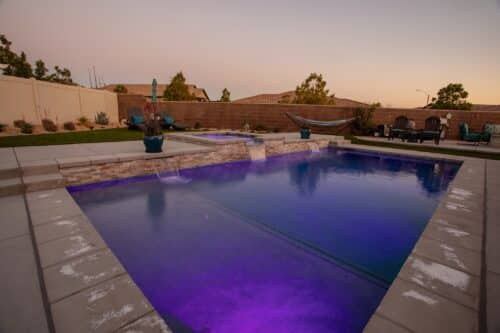
Question: Does renovating a pool increase home value?
Answer: Yes, pool renovations can increase home value by 7-12% in warm climates like Florida or California, with a 30-70% ROI, depending on location, renovation quality, and buyer demand. In colder regions, the value increase may be lower but can still attract niche buyers with a modern, low-maintenance pool. A backyard pool can turn your home into a summer oasis, perfect for relaxation, entertaining, and fun. Swimming pools are often seen as valuable features that enhance home attractiveness and lifestyle, especially in regions where outdoor living is popular. But if your pool is outdated or damaged, you might ask whether a renovation will boost your home’s value. This article combines expert insights, industry data, and practical tips to help you decide if a pool renovation is worth it, whether you’re considering a Menifee Swimming Pool Remodel or a project elsewhere.
What Does a Pool Renovation Involve?
Pool renovations update or repair an existing pool to enhance its look, functionality, or safety. Common upgrades include:
- Resurfacing: Replacing the pool’s interior (plaster, pebble, tile) to fix damage or modernize.
- Equipment Upgrades: Adding energy-efficient pumps, heaters, or filters.
- New Features: Installing waterfalls, LED lighting, or smart controls.
- Deck and Landscaping: Upgrading the pool deck or adding surrounding greenery.
- Safety Features: Adding non-slip surfaces, fencing, or automatic covers.
When renovating, homeowners can also consider different pool types, such as architectural pools or infinity pools, which are luxury options known for their design, materials, and ability to enhance property value and visual appeal.
How Much Does a Pool Renovation Cost?
Costs depend on the project scope:
- Basic Resurfacing: $5,000-$10,000
- Equipment Upgrades: $1,500-$5,000
- New Features (e.g., spa, lighting): $10,000-$20,000
- Full Renovation (deck, features, landscaping): $20,000-$50,000+
When evaluating renovation expenses, it’s helpful to compare the cost per square foot to other home improvement projects. Homeowners can pay for pool renovations upfront or explore financing options to spread out the cost, making it more manageable.
For a custom pool builder in USA, costs may be higher for bespoke designs tailored to your vision, ensuring a unique and high-quality result.
How Does a Pool Renovation Affect Home Value?
A pool renovation can increase home value, but the impact varies by several factors. Renovating your pool can directly affect your home’s pool value, potentially boosting the overall worth of your property. Here’s what experts and data show:
Location Is Key
- Warm Climates (e.g., Florida, California, Arizona): In warmer climates, pools are highly desirable, and a renovated pool can boost value by 7-12% compared to similar homes without pools. For example, in Fort Myers, pool renovations often add significant value due to the year-round usability. A Backyard pool design in Corona ca with modern features can significantly enhance a home’s appeal in this sunny region. Additionally, a pool with a view of the city can further increase a home’s appeal in urban areas, especially in high-end neighborhoods.
- Cold Climates (e.g., Northeast, Midwest): Pools may be seen as high-maintenance, but a modern, low-maintenance pool can still appeal to specific buyers.
Expert Quote: “In pool-friendly markets, a renovated pool sets your home apart. An outdated pool can deter buyers,” says Sarah Thompson, a Scottsdale real estate agent.
Modern Features Increase Appeal
An old pool with cracks or dated designs can lower a home’s value. Renovations that create a sleek, modern look attract more buyers.
- Stat: 65% of real estate agents in a 2023 industry survey said modern pools with features like energy-efficient pumps or smart controls increased buyer interest.
- Popular Upgrades: LED lighting, saltwater systems, automated controls, electric heat pumps, and gas heaters appeal to eco-conscious and tech-savvy buyers looking for efficient pool heating options.
Heating options for pools now include gas heaters, electric heat pumps, and the use of a solar blanket to retain heat and reduce evaporation. These upgrades can significantly lower energy costs for homeowners by improving energy efficiency and reducing ongoing operational expenses.
Expert Quote: “A renovated pool shows a home is well-maintained, supporting a higher price,” says John Rivera, a Miami home appraiser.
ROI Ranges from 30-70%
- For every $10,000 spent, expect to recover $3,000-$7,000 in home value. Homeowners should carefully consider how much money they are putting into pool renovations compared to the expected return.
- Example: A $20,000 renovation in Southern California might add $12,000-$15,000, while in colder climates, it may add $6,000-$8,000.
- High-end features (e.g., infinity edges) may have lower ROI but attract luxury buyers. Invest wisely in pool upgrades to maximize long-term value and enjoyment.
Expert Quote: “Match renovations to your home’s price point and neighborhood for the best ROI,” says Emily Carter, a Texas real estate consultant.
Buyer Preferences Influence Value
Some buyers avoid pools due to maintenance or safety concerns. Renovations can address these issues to widen appeal and provide the benefit of increased enjoyment and future resale value. A renovated pool can make a home easier to sell and may help it sell faster in markets where pools are highly desirable. In pool-friendly neighborhoods, not having a pool can make a home harder to sell compared to similar properties with pools.
- Stat: 72% of family buyers in a 2024 survey preferred pools with safety features like fencing or automatic covers.
- Low-Maintenance Features: Saltwater systems or energy-efficient pumps reduce upkeep costs, appealing to budget-conscious buyers.
Pool Maintenance and Insurance: What Homeowners Need to Know
Owning a swimming pool is a dream for many homeowners, but it comes with important responsibilities—especially when it comes to maintenance and insurance. Whether you have an in ground pool or an above ground pool, understanding the ongoing costs is key to protecting your investment and ensuring your pool continues to add value to your property.
Pool Maintenance Costs:Regular maintenance is essential to keep your pool safe, clean, and looking its best. For in ground pools, homeowners can expect to spend anywhere from $500 to $2,000 per year on routine upkeep, which includes cleaning, balancing chemicals, checking calcium levels, and servicing the pool system. Above ground pools typically have lower maintenance costs, but still require attention to water quality and equipment. Skipping regular maintenance can lead to costly repairs and may even decrease your property value over time.
Insurance Considerations:Adding a pool to your property usually means higher insurance costs. Most insurance companies require homeowners to increase their liability coverage when a pool is present, as pools can pose safety risks. In ground pools often result in a bigger bump in premiums compared to above ground pools, but both types will impact your overall insurance costs. It’s important to check with your insurance provider to ensure your policy covers pool-related incidents, including accidents and damage.
Budgeting for Pool Ownership:To maximize the value a pool adds to your home, factor in both maintenance and insurance costs from the start. Investing in safety features, such as fencing or pool covers, can sometimes help lower insurance premiums and make your pool more appealing to potential buyers. Staying on top of regular maintenance not only extends the life of your pool but also helps maintain your property’s value in the long run.
By understanding the true costs of pool ownership, homeowners can enjoy all the benefits of a swimming pool while protecting their investment and enhancing their property’s appeal.
Should You Renovate Your Pool? Key Considerations
Before renovating, evaluate these factors:
- Market Demand: Check with a local real estate agent to see if pools are popular in your area.
- Budget: Get multiple contractor quotes to align costs with your goals.
- Maintenance Savings: Energy-efficient upgrades (e.g., variable-speed pumps) can save up to $500/year on energy bills.
- Pool Upkeep: Consider the ongoing maintenance required, such as cleaning, chemical balancing, and purchasing accessories, as these tasks impact both the pool’s longevity and your overall expenses.
- Property Taxes: Be aware that adding or renovating a pool may increase your annual property taxes, depending on your location.
- Yard Suitability: Evaluate whether your yard is appropriate for a pool renovation or expansion, considering lot size, neighborhood standards, and how the pool will affect your outdoor space’s usability and appeal.
- Safety Compliance: Ensure renovations meet local codes, like fencing requirements.
- Selling Timeline: For near-term sales, prioritize cost-effective upgrades like resurfacing or lighting.
How to Maximize Value from a Pool Renovation
To boost your home’s value:
- Use Timeless Designs: Choose neutral styles (clean lines, classic tiles) over trendy features.
- Highlight Efficiency: Promote energy-saving upgrades like solar heaters or efficient pumps.
- Extend the Swimming Season: Consider adding pool heating options or covers to maximize the period your pool can be used, making it more appealing to buyers.
- Enhance the Outdoor Space: Pair the pool with an updated deck or landscaping, and optimize the yard layout to complement the pool for better usability and visual appeal.
- Keep Records: Show buyers renovation documentation and warranties.
What Are the Risks of Pool Renovation?
Consider these potential downsides:
- Over-Improving: Spending too much in a non-pool-friendly market may yield low ROI.
- Maintenance Concerns: Pools cost $500-$2,000/year to maintain, which may deter some buyers.
- Limited Appeal: In some markets, pools only attract a subset of buyers, potentially slowing sales.
- Safety Issues: Pools can present safety issues, such as the need for safety fences, increased risks for children, and additional considerations for older homeowners. These concerns may impact a property’s appeal and value.
- Regulations and risks related to pool ownership can vary significantly by country, so it’s important to research local requirements and trends before renovating or installing a pool.
Final Thoughts: Is a Pool Renovation Worth It?
A pool renovation can increase your home’s value by 7-12% in pool-friendly markets and make it more competitive. In colder climates, the ROI may be lower, but a modern, safe pool can still attract buyers. Before renovating, consult a local real estate agent, get contractor quotes, and consider your goals (resale vs. personal enjoyment). A well-planned renovation can enhance both your home’s value and your lifestyle.
FAQ: Common Questions About Pool Renovations
Q: How much value does a renovated pool add?
A: In warm climates, a renovated pool can add 7-12% to home value, or $12,000-$15,000 for a $20,000 renovation. In colder areas, the increase may be $6,000-$8,000.
Q: What pool features add the most value?
A: Energy-efficient pumps, saltwater systems, LED lighting, and safety features like fencing or covers are most valued by buyers.
Q: Is a pool renovation worth it if I’m not selling soon?
A: Yes, if you enjoy the pool, as renovations enhance functionality and aesthetics. Energy-efficient upgrades can also lower maintenance costs.
Q: How can I avoid over-improving my pool?
A: Focus on cost-effective upgrades like resurfacing or lighting, and align renovations with your neighborhood’s home values.
Q: Does renovating an inground pool add more value than other pool types?
A: Yes, renovating an inground pool often adds more value compared to above-ground pools, as inground pools are seen as high-value features that enhance a home’s marketability and aesthetic appeal.