
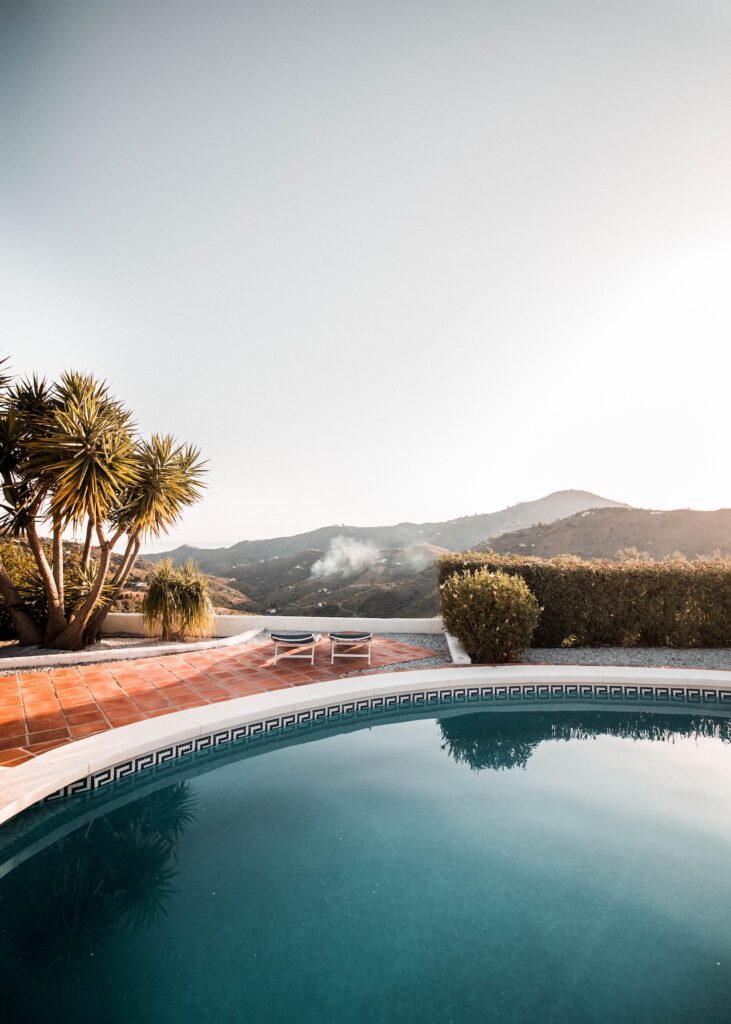
If you’ve got a sloped backyard and think building a pool is off the table, think again. Building an inground pool on a hill is entirely possible with professional planning and the right techniques. Not only is it possible to build a pool on a hill, but it can also create a stunning centerpiece for your outdoor space.
With modern construction techniques and designs tailored for slopes, a hillside pool can enhance your home’s value and take your outdoor experience to the next level. This blog will explore the challenges, designs, costs, and benefits of building a pool on a hill.
Introduction to Hillside Pools
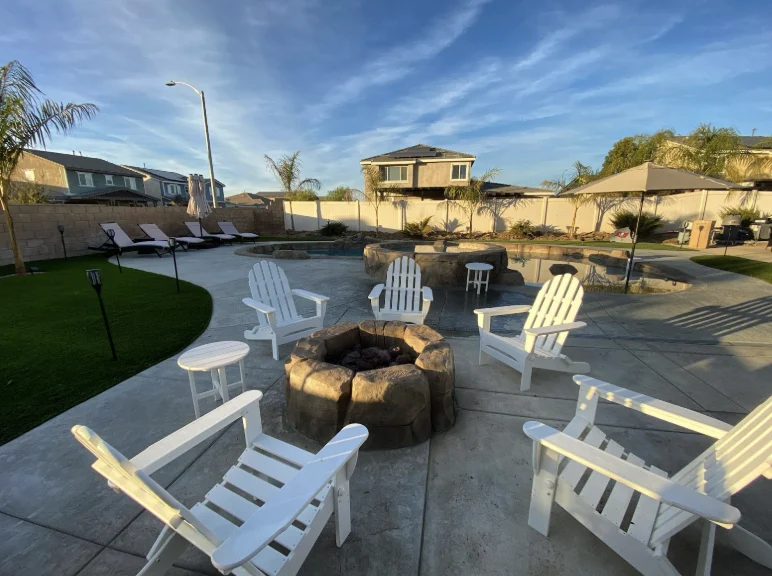
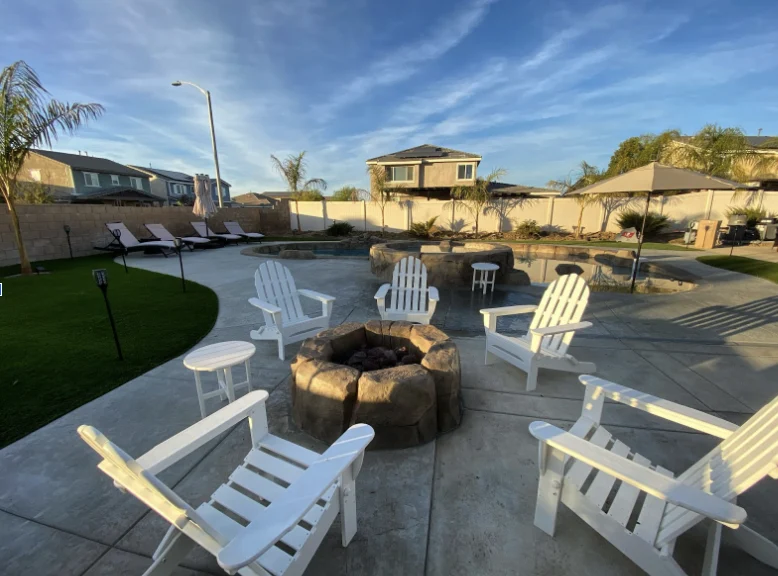
Building a swimming pool on a sloped yard or hillside is not only possible—it’s a popular and visually appealing choice for many homeowners. Sloped yard pools are specifically designed for uneven terrain, requiring specialized engineering and thoughtful integration with the landscape to enhance both functionality and visual appeal. With thoughtful design and modern construction techniques, hillside pools can transform sloped yards and sloped backyards into a reliable and attractive solution for maximizing your outdoor space. Considering the overall space ensures that all design elements—such as waterfalls, landscaping, walls, and decking—work together to create a cohesive and functional environment. These pools often become the focal point of the landscape, offering breathtaking views and a unique sense of luxury. By incorporating features like multi-level terraces, infinity edges, and retaining walls, a pool on a sloped property can create a functional and stunning pool area that blends seamlessly with the natural surroundings while adding visual interest to the space. Whether you’re looking to make the most of your lawn’s natural slopes or simply want a pool that stands out, hillside pools offer numerous options for creating an outdoor oasis that’s both practical and beautiful.
What Are the Challenges of a Hillside Pool?
While building a pool on a hill is definitely achievable, it comes with its unique set of challenges. Pools built on sloped terrain require unique engineering and careful planning to ensure stability and integration with the landscape. Building pools on a steep slope or a sloping yard requires special engineering and planning to address issues like soil movement, drainage, and support structures. Here’s what you need to consider:
Structural Stability and Soil Composition
The stability of your slope is critical. Understanding the existing topography is essential for ensuring the structural stability of a hillside pool. Hillside pools often require significant structural engineering to ensure they can stand the test of time. The soil type and its composition also play a crucial role. For instance, loose or sandy soil often needs extra reinforcement, while compacted or clay-like soils might hold better.
Why Firm Foundations Matter on Slopes
When it comes to building a pool on a hillside, having a solid, reliable footing is non-negotiable. The pool’s foundation needs to rest on firm, stable ground to provide the vertical and lateral support necessary to prevent shifting or settling over time. This is especially important on or near slopes, where the ground can be less predictable and more prone to movement.
To ensure your pool’s footings are as sturdy as possible, it’s smart to bring in a geotechnical engineer. These professionals can analyze your soil, assess its stability, and recommend the best construction methods for your particular site—especially if previous grading work wasn’t supervised by a geotechnical expert. Their expertise helps safeguard your investment and minimize the risk of structural issues down the line.
The Importance of a Geotechnical Engineer
When building a pool on a hillside, one of the most important professionals on your team is a geotechnical engineer. Their job is to analyze the subsoil and determine whether it can safely support a pool’s weight—not just from above, but from the sides as well.
A geotechnical engineer evaluates the soil’s strength, stability, and composition before construction begins. By conducting soil tests and site assessments, they help ensure the pool is founded on solid ground, minimizing the risk of shifting, settling, or other structural issues down the line. This expertise is especially crucial on sites where previous grading or fill work was performed without professional oversight.
In short, working with a geotechnical engineer provides peace of mind that your pool’s foundation is up to the task—keeping your investment secure for years to come.
Understanding Slope Creep and Its Impact on Pools
Let’s talk about one of the sneakiest challenges homeowners face when building a pool on a hillside: slope creep. This term describes the gradual, downhill movement of soil on a slope—usually caused by cycles of wet and dry weather. When you have expansive clay soil, for example, it tends to swell when it gets wet and shrink as it dries. Over time, this swelling and shrinking, paired with gravity, nudges the top layers of soil ever-so-slowly down the slope.
So, why is this a problem for pools? If your hillside pool is built near the surface—or within the upper six to eight feet of soil that’s most affected—part of the pool can literally lose its footing. This uneven support may lead to what engineers call “differential settlement,” where one section of the pool settles more than the rest. The result? Cracked walls, a pool that tilts out of level, and potentially water leaks that only make the situation worse.
Most manufactured slopes are graded on a one-to-two ratio (one foot up for every two feet across), meaning the zone affected by slope creep can extend 10 to 16 feet from the slope’s edge. If your pool lands in this area, you might notice the waterline tilting, tiles shifting, or even cracking in nearby retaining walls. It’s a slow process—sometimes just a fraction of an inch per year—but over time, that adds up.
When designing a pool on a hillside, proper engineering and reinforcement are crucial. Addressing slope creep from the start can save you from costly structural repairs and help your pool stay beautiful and functional for years to come.
Expansive Soil and Slope Creep: A Recipe for Pool Problems
Expansive soils—like clay—can spell trouble for hillside pools if not properly addressed. When these soils get wet, they soak up water and swell, much like a sponge after a rainstorm. On sloped land, the movement isn’t just upward; it’s also sideways, which adds extra pressure to the surrounding landscape and pool structure.
This swelling and shrinking cycle creates gradual but persistent soil movement, often called “slope creep.” Think of it as the slow-motion march of the hillside, nudging everything above it downhill little by little—sometimes up to a quarter inch per year. Most of this action happens in the uppermost layers of soil, affecting the first five to eight feet below the surface. As a result, even pools set back from the visible edge of a slope—sometimes as far as 10 to 16 feet—can feel the impact.
What does this mean for your pool? If the soil under part of your pool shifts, that section may settle unevenly, causing cracks or structural issues. Water that leaks from these cracks can make matters worse by accelerating erosion and further weakening support. This is why understanding soil conditions and working with experienced engineers is a must for building a pool on a slope—especially if your soil is known to expand and creep.
Increasing Foundation Setbacks for Maximum Stability
When installing a pool close to a slope, extra care must be taken to prevent movement or damage from the hillside. One effective way to reduce risk is by increasing the foundation setback—that is, adding more distance (and depth) between the pool’s structure and the descending slope.
There are a few ways to do this:
- Deepen the pool shell: By making your pool deeper—especially along the wall nearest the slope—you’re effectively anchoring it farther away from potential soil movement. The steeper the slope, the more benefit you get from every extra foot of depth.
- Install reinforced footings or keys: Another method is to construct a robust footing or a structural “key” beneath the pool’s outermost wall by the slope. This helps anchor the pool more securely into undisturbed soil.
- Adjust according to slope grade: The steeper the hillside, the faster your foundation setback increases as you dig deeper. For example, on a 2:1 slope (two feet horizontal for every foot vertical), each added foot of depth gives you an additional two feet of setback from the slope. On a 1.5:1 slope, every foot of added depth nets you 1.5 feet of setback.
By thoughtfully combining deeper footings and adjusted setback distances, you help safeguard your pool against movement and minimize the long-term risks associated with hillside construction.
Understanding Differential Settlement
Differential settlement occurs when different parts of the pool’s foundation settle at uneven rates. This often happens if the soil beneath the pool varies in composition or has inconsistent compaction. When one section shifts more than another, it puts stress on the pool’s structure.
This imbalance can lead to cracks in the pool shell or decking as the rigid materials try to adjust to the uneven support below. Preventing differential settlement involves thorough site assessment, proper soil testing, and often the installation of specialized support or reinforcement systems to ensure the entire pool is uniformly supported from the start.
Building Code Requirements for Pools on Sloped Lots
If your dream pool is destined for a hillside or near the edge of a slope, it’s important to be aware of a few crucial building code requirements before you break ground. Building codes—specifically the International Building Code (IBC)—spell out special standards for pools built on or adjacent to descending slopes, and following them helps ensure both safety and durability.
Here are the key requirements to know:
-
Freestanding Pool Walls:
If any part of the pool wall sits within seven feet of the top of a slope, that section of wall must be able to support the full weight of the water on its own—without relying on the surrounding soil for support. In pool lingo, this is often called a “freestanding wall.” While the minimum code distance is seven feet, many builders recommend ten feet or more for added peace of mind and structural integrity. -
Footing and Foundation Setbacks:
The pool’s footing (essentially, the bottom of the pool) needs to be set back from the slope at a distance calculated by dividing the total height of the slope by six. For example, if your slope is 30 feet tall, your foundation should be at least five feet from the face of the slope. In practice, many experts suggest a setback of 15 feet or more to provide extra assurance against shifting soils and potential settlement. -
Solid, Supportive Soil:
The foundation of your pool must be built on firm, load-bearing soil to ensure both vertical and lateral support. If you’re unsure about your soil conditions—or if your property’s grading wasn’t signed off by a qualified geotechnical consultant—it’s wise to hire a geotechnical engineer. They’ll analyze soil stability and help you design a foundation that won’t budge over time.
Bottom line: Meeting these code requirements not only keeps your hillside pool project on the right side of regulations, but also helps prevent future headaches like cracking, shifting, or unwanted movement. Taking the time to plan for these standards up front means you can enjoy your hillside oasis worry-free.
How Far From the Top of a Slope Can Slope Creep Affect My Pool?
When thinking about where to place a pool on a hillside, it’s important to consider how far down the slope the ground movement, known as slope creep, can have an impact. Most engineers agree that the upper five to eight feet of soil on a slope are the most vulnerable to slow, gradual shifting. As a rule of thumb, if your pool—or any structure—is built within about 10 to 16 feet from the crest of a descending slope, it may still be affected by this gradual soil movement.
Slope creep tends to be most active near the surface. While soil settled deeper down is typically more stable (thanks to less moisture fluctuation and the compacting effect of soil above), the upper layers have more potential for shifting. This is especially noticeable on slopes graded at a standard ratio of one foot vertical to two feet horizontal, a common design in many California backyards and across the U.S.
Bottom line? If you’re planning your pool layout, keep in mind that even if you’re not right at the edge, slope creep can still influence your pool’s foundation if you’re close enough to the top. This is why working with an experienced builder and a geotechnical engineer familiar with your local soil conditions is essential—it ensures both safety and the longevity of your hillside pool.
Drainage and Water Flow
Hills tend to affect water drainage, which can lead to pooling, erosion, or even damage to the pool itself. On sloped sites, special attention must be paid to where water collects to prevent erosion and structural damage. Proper planning and the right drainage systems are necessary to ensure water flows away from the pool—and not where you don’t want it.
Accessibility and Construction Logistics
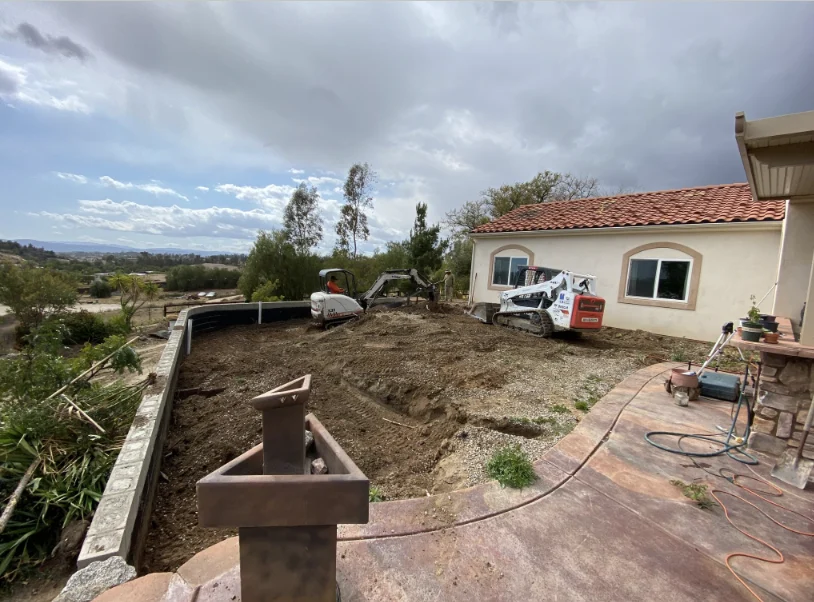
Building on a slope can make construction logistics more challenging. Creative construction methods can offer a practical solution to the logistical challenges of building on a slope. Access for heavy machinery, equipment, and materials can require extra planning—and sometimes even specialized tools—to ensure everything goes smoothly.
Unique Designs That Work Well for Hillside Pools
When considering design options, incorporating dazzling design elements such as water features, seating, and ledges can enhance both the function and aesthetics of your pool area. Additionally, exploring a variety of deck features—like elevated decks, multi-material surfaces, and integrated seating—can further improve the usability and beauty of your outdoor space.
Once the engineering challenges are addressed, the fun begins—designing a pool that complements your hilly landscape. There is a wide range of pool options available for sloped yards, allowing you to customize the pool’s design to fit your unique terrain and preferences. By tailoring the pool’s design to the specific contours and elevation changes of your yard, you can achieve both functionality and visual appeal. Here are a few options that can make your sloped yard a highlight rather than a hindrance:
Infinity Pools with Stunning Views
Perhaps the most iconic choice for yards with a downward slope is the infinity edge pool. These pools create a cascading-edge illusion, blending seamlessly with the surrounding landscape while showcasing off the view of the land below.
The infinity edge creates the illusion of a never ending stream, making the water appear to flow endlessly into the horizon. An infinity waterfall and a high wall can further enhance the view and design, adding both drama and privacy to the pool area. A sloped yard create unique opportunities for dramatic infinity pool designs, as the natural topography can be used to enhance the illusion and maximize scenic vistas.
If you’re looking to add a modern and luxurious vibe to your hillside home, an infinity pool is the way to go.
Multi-Level Pools and Terraced Designs
Terraced pool designs play beautifully with the natural slope of your land. By incorporating multiple levels, you can zone different areas for swimming, lounging, or even spas. These designs are especially ideal for steeper slopes and offer additional benefits such as enhanced landscaping possibilities and improved usability. They are visually striking and naturally flow with both upward and downward slopes, creating an elegant harmony between architecture and nature.
Retaining Walls and Landscaping Integration
A retaining wall is a practical and aesthetic solution for hillside pools, providing essential support and stability for pools built on sloped terrain. These structures are especially important for swimming pools on slopes, as they help prevent erosion, manage water runoff, and support the pool structure. As mentioned earlier, retaining walls also enhance the aesthetic appeal and privacy of your pool area. Incorporating large boulders and water features can further improve both the function and appearance of the pool area. Retaining walls can add functional flair and contribute to a crisp design, making the space visually appealing as well as structurally sound. Pair them with lush landscaping, rockscapes, or waterfalls to integrate your pool naturally into the hillside and the surrounding natural landscape, resulting in a visually stunning finished project.
What Is a Freestanding Wall in Hillside Pool Construction?
In the world of hillside pool construction, you’ll often hear the term “freestanding wall.” But what does it actually mean for your pool project? In simple terms, a freestanding wall is a specially engineered section of the pool wall—typically found within seven feet of the top of a slope—that’s designed to stand strong and hold back the pressure of the water, all on its own. Unlike standard pool walls that rely on surrounding soil for extra support, a freestanding wall can fully support the water inside the pool without any help from the earth behind it.
This design becomes crucial for pools built on sloped or uneven ground, where traditional soil reinforcement just isn’t an option. Whether you’re dealing with a gentle hillside or a steep drop-off, a freestanding wall ensures your pool remains safe and structurally sound, regardless of the challenges posed by gravity and terrain.
Creating a Functional Pool Area
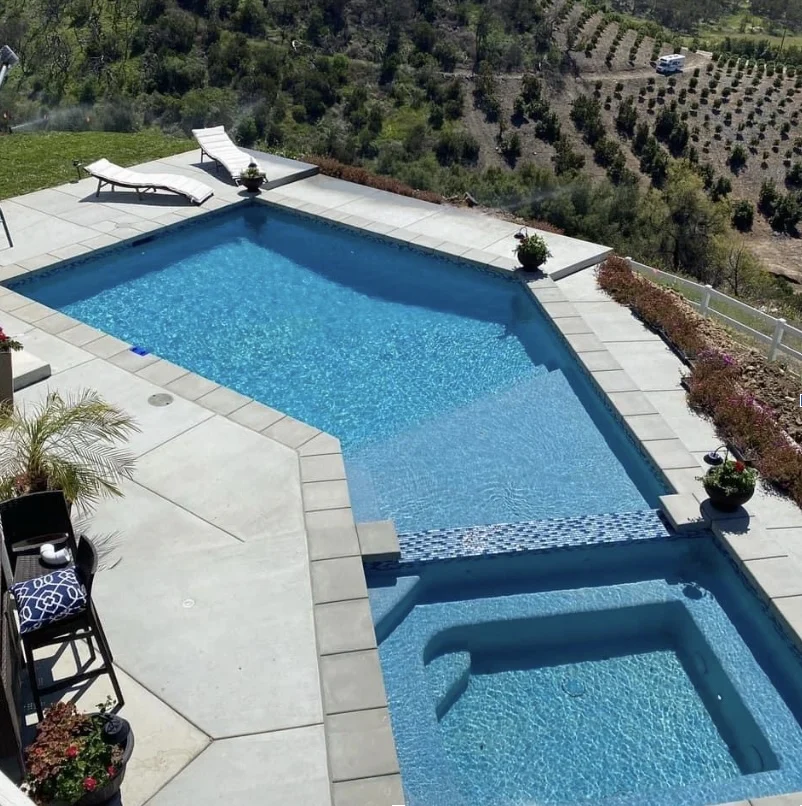
Designing a functional pool area on a sloped yard starts with careful planning and the expertise of a skilled pool builder. The key is to create a perfectly level, flat surface for your dream pool while embracing the unique contours of your property. Retaining walls are often used to provide crucial support and define the pool area, while pool decking adds both style and usability. Terracing creates a staircase-like appearance, adding an elegant touch and making the most of the available space. To further enhance your pool’s design and functionality, consider incorporating features like a pool slide for family fun, a hot tub for relaxation, or even a hidden staircase for better access and a touch of intrigue. Integrating the surrounding landscaping—such as lush greenery, rock gardens, or tropical trees—ensures your pool area feels like a natural extension of your outdoor space. With thoughtful design and attention to detail, your sloped yard can be transformed into a dazzling, multi-level retreat that’s as functional as it is beautiful.
Is Building a Pool on a Hill More Expensive?
Yes, building a pool on a hill typically costs more than a standard in-ground pool on flat terrain. The additional expenses stem from the need for more complex designs, specialized materials, and engineering solutions to manage the slope and drainage. Features like retaining walls and structural reinforcements are often required, which significantly contribute to the overall cost of building a pool on a hill.
However, keep in mind that a beautifully designed pool can increase your property value and enjoyment of your outdoor space. So, while the upfront cost may be higher, a hillside pool can pay off in the long run.
Benefits of a Hillside Pool
Here are some additional reasons why investing in a pool on a hill is worth considering:
- Advantage of Elevation: Whether your yard slopes up or down, the elevation can be a major benefit—on one end, admire stunning views of your surroundings, and on the other, enjoy the natural privacy a surrounding hill can provide. A win-win either way!
- Enhanced Property Value: A well-designed hillside pool can significantly increase your property’s value, making it a worthwhile investment for homeowners looking to add value to their home.
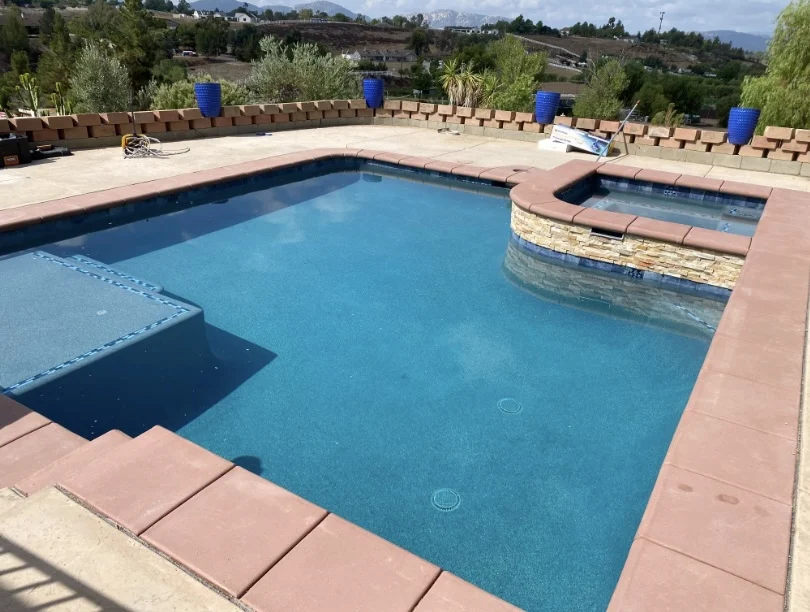
- Customization Opportunities: Building a new pool on a slope allows for more creative and unique designs for both the pool and the surrounding landscaping. With thoughtful planning, you can incorporate your lawn’s natural slopes into the new pool’s layout, creating a customized design that leverages the existing landscape. With some creative hardscaping designs, you can incorporate natural stone, cascading terraces, or lush greenery to make the pool seamlessly blend into the slope. Urban themes, such as tall stone or glass walls and hidden staircases, can also be applied to hillside pool designs for a modern look that fits city environments.
Maintenance and Upkeep Considerations for Pool Owners
Owning a pool on a sloped yard comes with unique maintenance and upkeep considerations. Because of the terrain, it’s essential to ensure the pool area remains safe, stable, and visually appealing year after year. Regular inspections of retaining walls, pool decking, and drainage systems help prevent issues related to soil composition, steep terrain, and extreme slopes. Proper drainage is especially important to avoid water collecting where it shouldn’t, which can lead to erosion or structural problems. Working with an experienced pool builder ensures that your pool on a sloped property is designed for long-term durability and ease of maintenance. Routine cleaning, checking for signs of shifting or settling, and maintaining the surrounding landscaping all contribute to the longevity and enjoyment of your hillside pool. With the right care, you’ll be able to relax and take in the million-dollar view from your pool area, enjoying all the benefits that come with a thoughtfully designed pool on a hill.
Why It’s Important to Manage Gophers and Rodents Near Hillside Pools
When it comes to hillside pools, keeping unwanted furry visitors—like gophers and other burrowing rodents—at bay is more important than you might think. These critters are expert diggers, and their underground tunnels can create hidden pathways for rainwater or irrigation runoff to travel straight into the slope beneath your pool.
If left unchecked, their burrows can lead to several issues:
- Water Intrusion: Rodent tunnels can channel surface water deep into the hillside, which can cause the soil to become overly saturated and compromise both the stability of the slope and the pool’s structural integrity.
- Erosion Risks: As water finds its way through these underground highways, it can speed up soil erosion or even cause the ground to shift—never a good thing for a carefully engineered pool.
- Potential Damage: Persistent burrowing may also disturb retaining walls or hardscape elements, leading to costly repairs down the line.
For these reasons, it’s best to stay proactive about rodent control as part of your overall pool and landscape maintenance. By keeping them out, you’re protecting both the beauty and the longevity of your hillside pool oasis.
Build Your Dream Hillside Pool with Taylor Made Pools
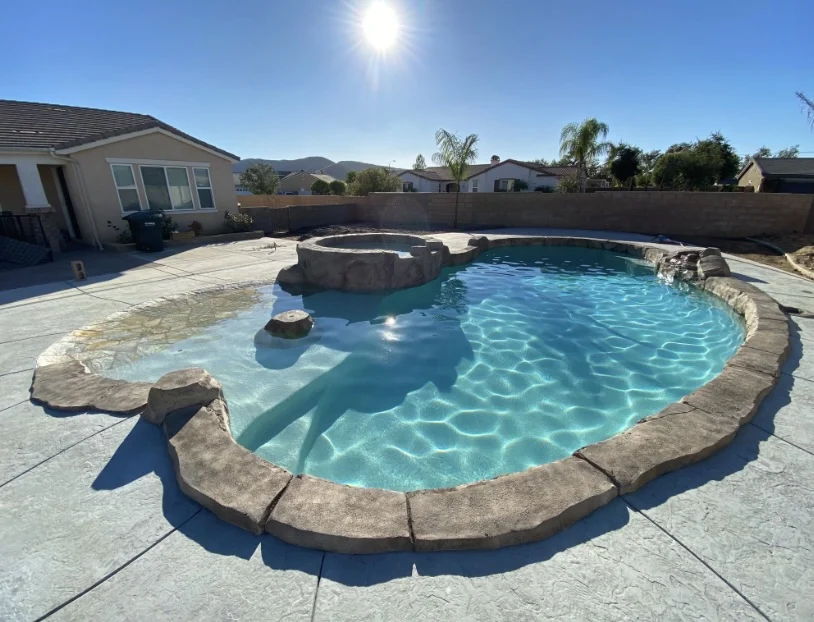
Building a pool on a hill is not just possible—it could be one of the best investments you make in your home. With professional guidance and innovative designs, your backyard can be transformed into a breathtaking retreat. Taylor Made Pools can design hillside pools that maximize small spaces and create a modern look with sleek, contemporary features.
Taylor Made Pools specializes in hillside pool installations. Our experienced team knows how to meet the challenges head-on while creating stunning, functional designs tailored to your landscape. We also have expertise in designing functional patio areas for sloped yards, enhancing both aesthetics and usability. Start your dream project today—contact us at Taylor Made Pools and create the pool of your dreams!